

pH Acid Alkaline Preferences of Plants
Give your plants a good start in life
|
|
|
|
|
|
Explanation
At planting time, organic gardeners might think about pH, the acid/alkalinity balance in the soil. Some plants prefer an acid soil, while others do not. Planting your acid-lovers together will help them grow, because you can use acid soil amendments. For example, you could plant lilies, roses, and alyssum in the same bed, because they all prefer acid soil.If you grow plants that thrive in your neighborhood, your soil probably will be just fine. But if you are trying something new to your neighborhood, you might want to think about pH.
You are not supposed to add something to change the pH of your soil before testing:
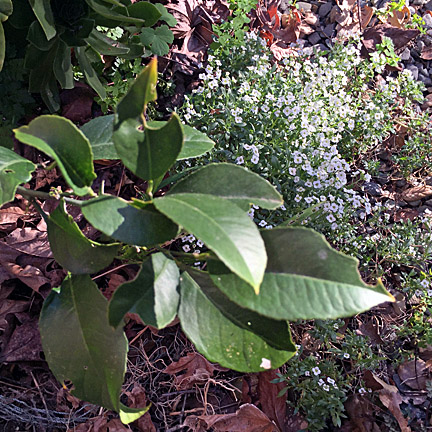
In my experience, pH testing results at home are inconclusive, hard to read. Therefore I avoid trying to change my soil pH, except to use packaged acid-lover fertilizer on my roses, blackberries, and citrus. My baby lemon tree had been yellowing around the edges of the leaves until I mulched it with used coffee grounds. In other words, I add a few gentle soil amendments with thought toward pH preferences, but nothing drastic.
- Get pH test strips (litmus paper) from a pharmacy, organic garden store, or order online: Search: Paper-Litmus-Strips-Tester.
Test your water.
Dilute some soil in your water; test the result and compare it to the pH of your water.
- OR buy a pH test gadget in a garden store or garden department of a hardware store and follow the package directions.
- OR, because home test kits do not usually work very well, find an agency, such as an Agricultural Extension near you, and let them do the testing.
***The point of this page is to plant pH preferences together.***
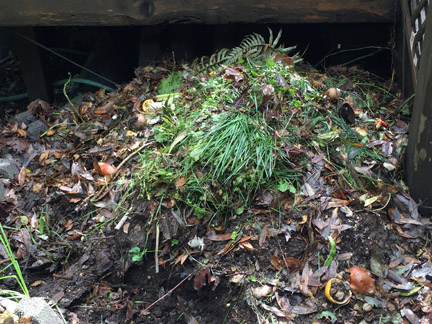
Compost tends to be neutral and will tend to correct an imbalance in your soil. Neutral is 7.0. In general, most plants prefer neutral or slightly lower: pH 6.0 to 7.0. Do not over-correct.
To make soil more acid (lower pH) mulch with leaves, pine needles or coffee grounds (which you can get for free from most espresso places) or buy organic fertilizer labeled "for acid-loving plants."
To make your soil more alkaline (higher pH) add wood ashes to the soil.
See organic gardening books and websites for other options. Look for what is easily available in your neighborhood.
Do you really have to worry about all this? No, not really. Most gardeners do not. But if you are worrying about it, you can open this chart on your phone while you are out in the garden planting.
See also my other pages
The Invasiveness of Native Plant People 
Pam's Yoga Fitness--free online yoga 
Esalen in the 1960s
See also: Compost Frequently Asked Questions To ask questions or make comments, join Facebook Lazy Compost Club
Web work and hand-crafted HTML by Sandy Johan and Pam Walatka
2026 Creative Commons Copyright--Ok to share for non-commercial use
email: pam@pamwalatka.com